My IBD Plate
Nature is
nutritionTime among trees
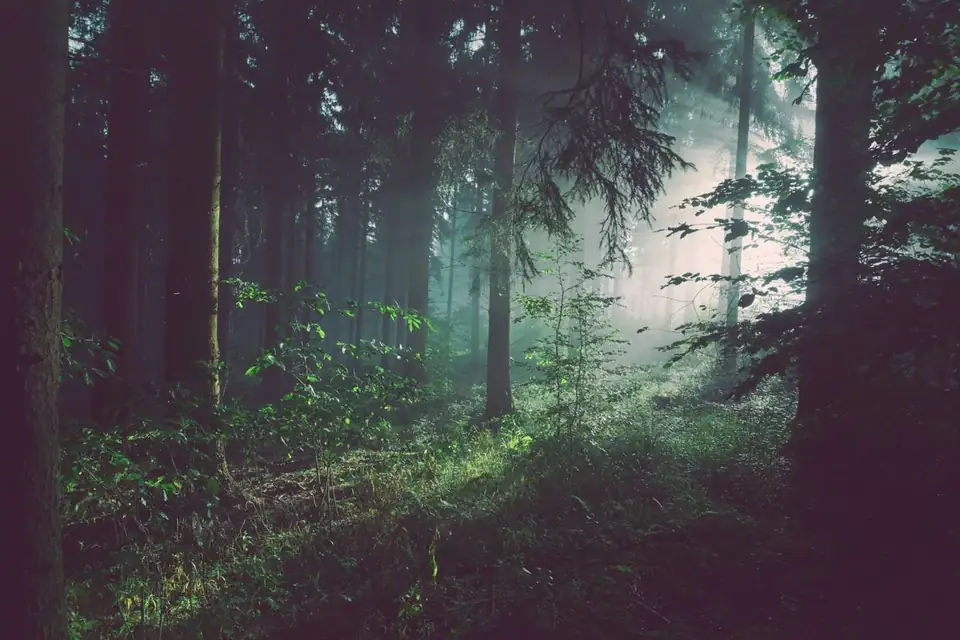
“There's no bad weather, just bad clothing.”
Billy Connolly
I'm not naive to the fact that you could be rolling around in pain, or struggling to despair, imprisoned by your home or toilet.
It's when you're good and ready, please get out there and breathe. I find four walls just don't serve me. So yes, when you're good and ready.
Why trees?
Some time spent in woodland is specifically geared to calm you, your mind and so your gut. And aye, if you wish, take some toilet roll, you're in nature.
We talk a lot about what goes on your plate. But your gut is also fed by where you spend your days. Screens, traffic, artificial light and four walls all keep the body on high alert. A wood, a park or a tree-lined path does the opposite.
That's what I mean by nature is nutrition. Not a replacement for food or medicine. Another kind of nourishment, alongside them.
It's about calming your nervous system.
Make a mental note. Your gut and your brain are constantly in conversation mode. Your gut needs peace, as do you.
“You need to allow yourself to relax. Away from the crowds.”
Forest bathing
A useful term is “forest bathing”, a practice researched by Dr Qing Li, a leading researcher in forest bathing, called shinrin-yoku in Japan. It can boost “rest-and-digest” nerve activity. That's the calm mode your body needs to digest food well. It can also improve mood, with less anxiety and fatigue.
The modern places, the very environments we humans exist inside of, do not serve our well-being. Our environments can create stress. Often a kind of subtle stress we've gotten used to. And the numerous screens that we stare at are also environments. Turn them off and get outside. For people with IBD, stress matters. Even in a mild form, stress is clearly a trigger to kick our gut into a negative mode.
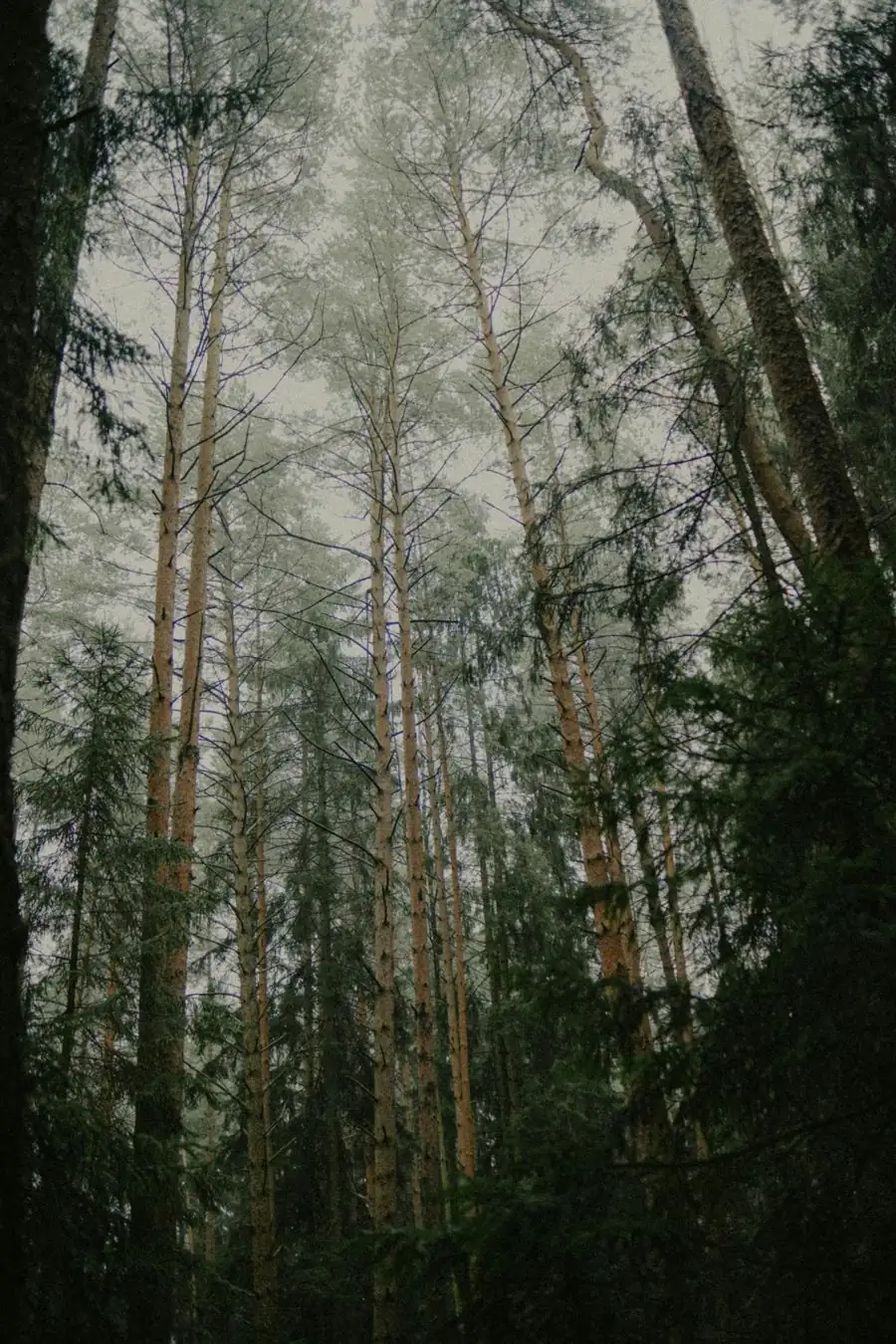
Trees help us slow down. Quiet, green space, soft natural sounds and the scent of plants all help the body settle. Some people have noted that the trees are like quiet company. Like a calm community of life, smells and changing colour. I'm not pulling your leg, get into the trees. And don't forget to breathe.
Breath: 4 seconds in and 4 seconds out, and repeat.
What the research says
The science is young, but it points the same way: more nature, less artificial overload, calmer body.
Green space near home is linked to lower IBD risk. A large UK study of hundreds of thousands of adults found that people with more green space within about 300 metres of home had roughly 15 to 18% lower risk of developing IBD. More nearby water (blue space) showed a similar link. The effect was strongest in more deprived areas, where access to nature is often hardest. (Zhang et al., 2022)
Bright nights may matter too. A 2026 UK study found that people living with more outdoor artificial light at night had a higher risk of developing ulcerative colitis. There was no clear link with Crohn's. The researchers think disrupted body clocks and lower melatonin (the sleep hormone) may play a part. (Chen et al., 2026)
Gentle ways to start
You don't need a forest on your doorstep. A park, a tree-lined street or a churchyard all count. And please, don't forget plenty of deep breathing.
- Start small. Ten or fifteen minutes among trees is a good beginning. Build up as energy allows.
- Go slow. This isn't exercise. Wander, sit on a bench, notice what you hear and smell.
- Try some breath work. Be still for a moment. Breathe in for 4 seconds, out for 4 seconds, and repeat.
- Leave the phone in your pocket. Let your eyes rest on green rather than a screen.
- Plan around your gut. On flare days, choose a spot close to home with toilets nearby. A short sit counts. And aye, I often take some loo roll.
- Let your evenings get dark. Dim the lights after sunset and close the curtains on street glow. It helps your body clock know when to rest.
- Bring nature in. On days you can't get out, sit by a window with a view of trees, or keep a few plants indoors.
An honest note
Time in nature supports your health. It does not replace your medication or your care team.
Think of it as one strand in a rope, alongside food, sleep, movement and managing stress. On its own, one strand is modest. Woven together, they hold more weight. If you're in a flare or unsure what's right for you, speak to your IBD team first.
Written by Colin - not AI.
The studies behind this page are on the Research page.