My IBD Plate
A calming
homeLight, sound, air & scent
Why your home matters
Your home can help towards calming your gut.
Your personal space is a crucial environment for altering your mood. And the gut senses your mood. It's sensed through the mind. Your gut and brain are in a constant communication circle. So calming the mind can help towards calming your gut.
I talk a lot about getting outside. But most of us spend most of our hours indoors, and on a flare day home is often the only place we are. So home deserves the same care as your plate, as your home can help calm your mind and gut.
It's about calming your nervous system.
Make a mental note. Your gut and your brain are constantly in conversation mode.
“You need to allow yourself to relax. Away from the crowds.”
Eight things to look at
Small, cheap changes. Nothing fancy, nothing to buy unless you want to.
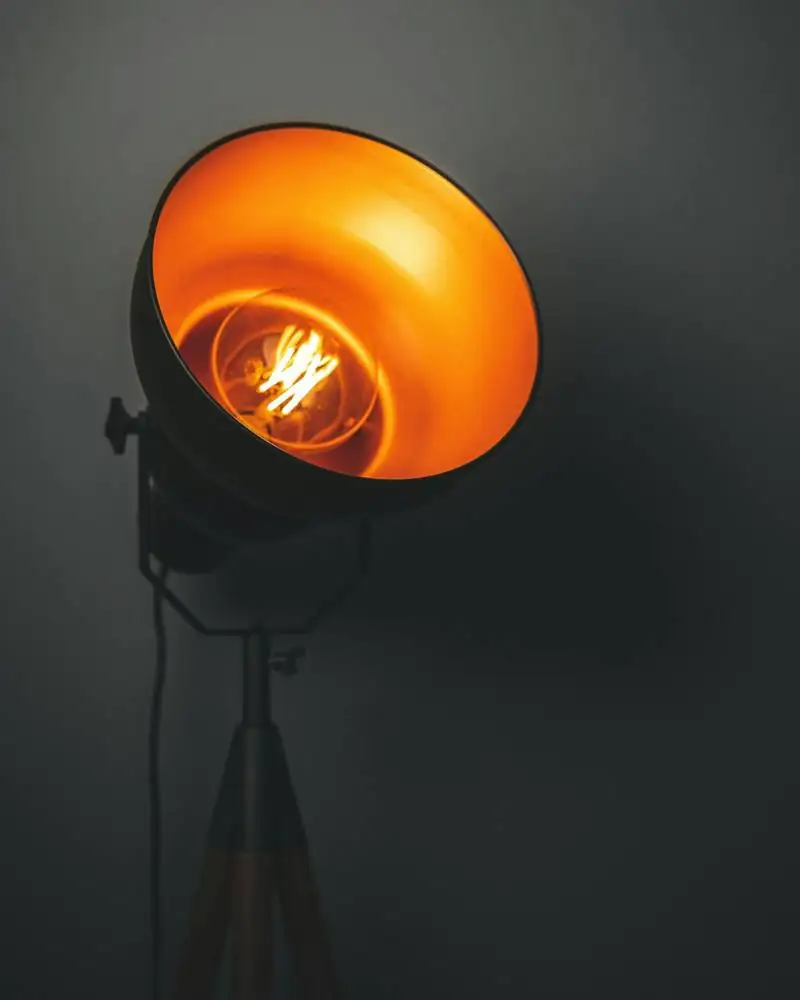
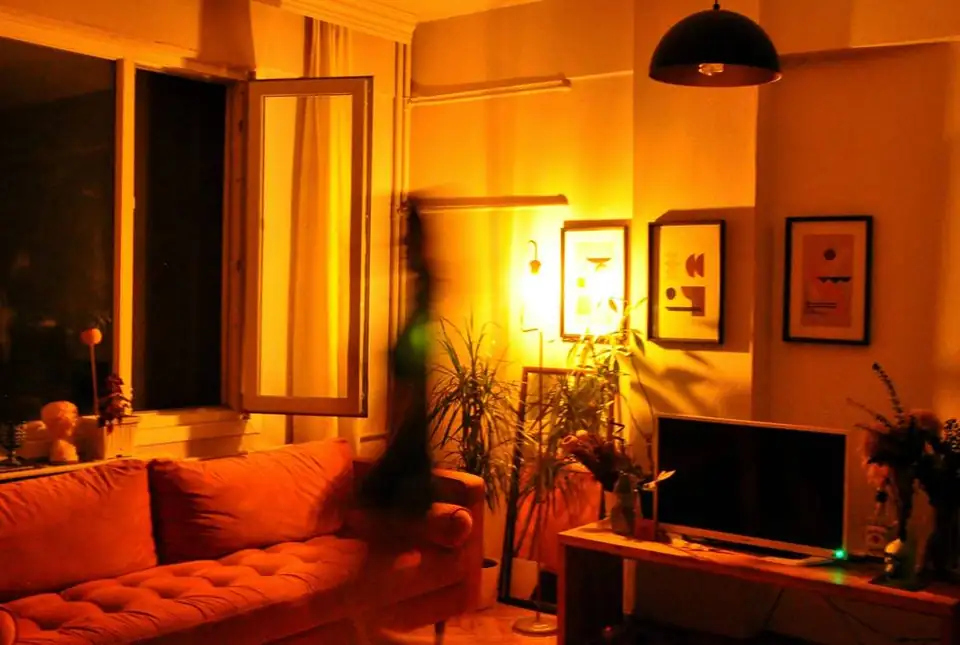
- Light. Bright daylight in the morning, dim warm light in the evening. Bright overhead lights and screens late at night tell your body it is still daytime, which can push back the sleep hormone, melatonin. After dinner, swap to lamps with amber bulbs. Their warm, low glow is much gentler than bright white light, like a sunset instead of an office. You are calming information passing through your eyes.Amber bulbs give off a soft, warm light with very little blue in it. Blue light is the kind that tells your body it's still daytime and keeps you awake. So when I swap a bright white bulb for an amber one in the evening, my body gets the message that it's time to wind down. It's a small change to the room that helps my nervous system settle.
- Sound. Constant background noise keeps your brain on alert, even when you stop noticing it. Turn the TV off when no one is watching. Try soft natural sounds instead: rain, birdsong, the sea. I like listening to Brian Eno - Music for Airports on occasion. Track 1. Listen on YouTube ›
- Air. Open a window for ten minutes a day, even in winter. Fresh air feels better, and stale indoor air does no one any favours.
- Green. A few houseplants bring a bit of nature indoors. Looking after them is a small, quiet job for the hands, and that helps too. I myself have some air plants. They put oxygen in a room.
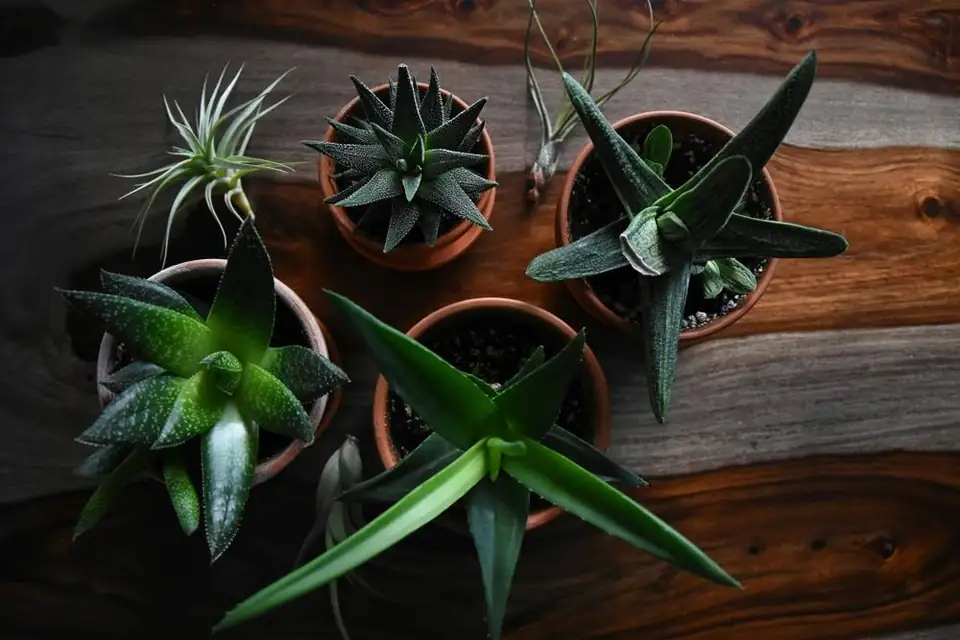
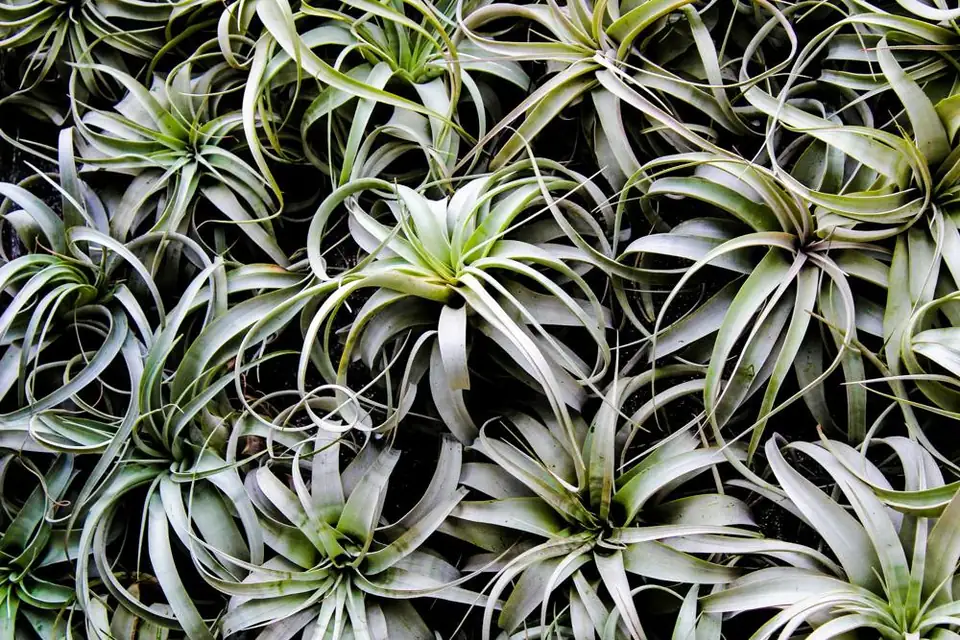 Air plant ideas: Acer, Buddleja, Camellia, Dahlia, Echinacea, Fuchsia, Geranium, Hydrangea, Iris, Lavender, Magnolia, Narcissus, Osteospermum, Primula, Quercus, Rosa, Salvia, Tulipa, Vinca and Wisteria.
- Clutter. A cluttered home can feel like a to-do list you can never finish. You don't need to tidy the whole house. Clear one surface, one corner, one spot that is just for resting.
- Screens. Keep one room, or one hour before bed, screen-free. Charge your phone outside the bedroom if you can.

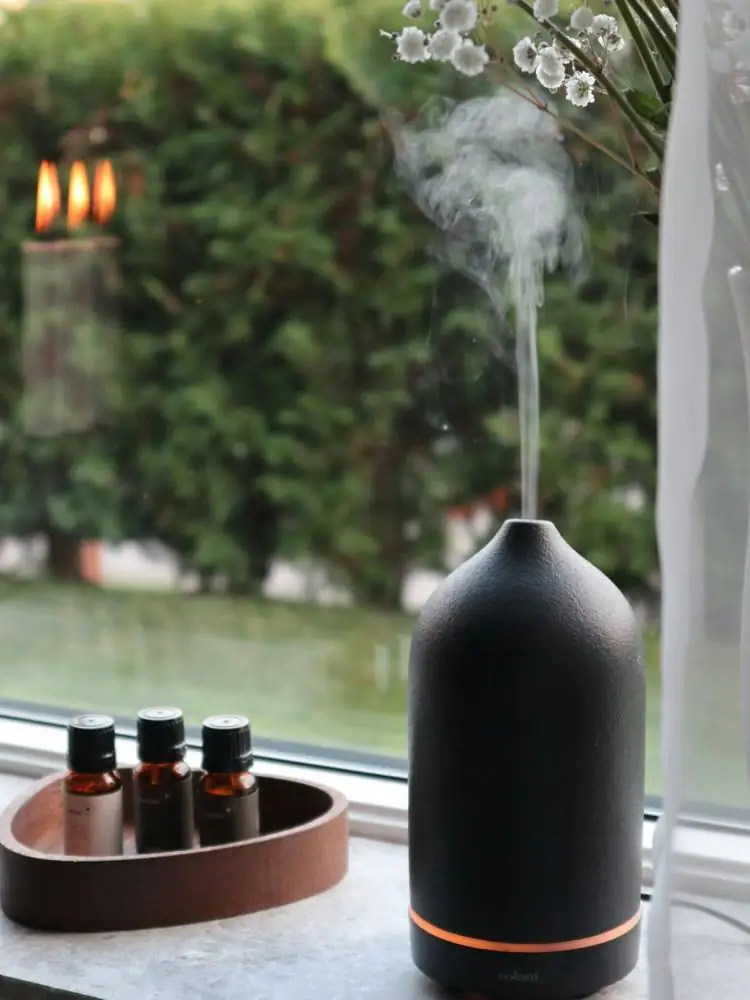
- Scent. Smell goes straight to the calm-or-alarm part of the brain. Use natural scents: fresh flowers, a pot of herbs like mint or rosemary, lavender, or a few drops of essential oil in a diffuser. Skip strong synthetic air fresheners and plug-ins. Keep it light, as strong smells can bother some people.
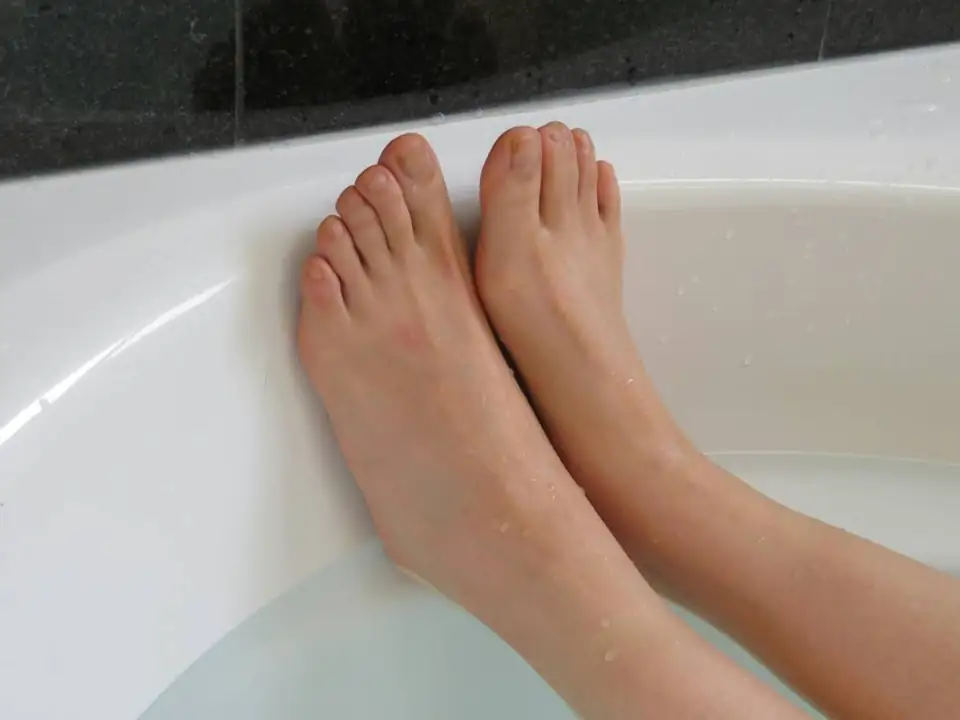
- Bath time. A simple tip. Add a good few mugs full of Epsom salts to a warm bath. Epsom salts contain magnesium. It really does relax your body and mind. I do this quite often. Be sure to let the salts dissolve in the water first. Have a good soak.
Pick one. Not all eight. One small change you keep beats eight you drop by Friday.
Bringing it into your week
None of this replaces your food plan, your meds, or your care team. It sits alongside them, sized to whatever you have that day.
- Flare day: switch to amber lamps, turn the TV off, open a window for a few minutes.
- Low-energy day: sit in your one calm spot with a houseplant, a natural scent, or a view of the sky.
- Steady day: clear one surface, or move your phone charger out of the bedroom.
- Good day: rethink one room, so it is set up for rest, not noise.
— Colin
What the research says
The studies are small and mostly not about IBD. But they point the same way: a calmer home, a calmer body.
Poor sleep is linked to Crohn's flares. A US study of over 3,000 people with IBD found that people with Crohn's in remission who slept badly were about twice as likely to have active disease six months later. There was no clear link for Colitis. (Ananthakrishnan et al., 2013)
Evening room light delays the sleep hormone. Ordinary room lighting in the hours before bed pushed back melatonin in almost everyone tested, and cut its night-time run by about 90 minutes. (Gooley et al., 2011)
A cluttered home may keep stress hormones up. Women who described their homes as cluttered or unfinished had a flatter daily cortisol pattern, which is linked to poorer health. Those who described their homes as restful had a healthier pattern and better mood through the day. (Saxbe and Repetti, 2010)
Potting a plant calms the body more than a screen. In a small trial, repotting a houseplant lowered stress-nerve activity and blood pressure compared with a computer task. People also felt more soothed afterwards. (Lee et al., 2015)
A fair caveat: these studies show links, not proof, and none tested a calmer home as a treatment for IBD.
The studies behind this page are on the Research page.